
Whether they’re roguelikes, roguelites, or just rogue games, there’s no denying the popularity of the run-based genre that’s become ubiquitous in recent years. Whether you’re fighting your way out of hell, you’re trapped in a time loop, or you’re tasked to infinitely rebuild a deck of magical cards (this last one happens a lot), the category of games has absolutely earned its praises. It’s hard to beat the satisfaction of a good power crawl, the condensed structure, or the urge to play just one more run, even after the most devastating losses.
Still, that structure can take many forms, and an explosion of popularity can make it difficult to separate the trendsetters from the trend-chasers. What roguelike should you play today? Here are our 10 favorites, listed in alphabetical order.

Absolum
The beat ’em up genre has had a revival in recent years, and Absolum is one of the greatest examples of that renaissance, thanks to how it repurposes the classic combat style and slots it perfectly into a roguelike formula. It also does so with high-fantasy aesthetics, with characters seemingly plucked from the pages of a graphic novel, with all of them twisting familiar tropes just enough to feel and fight uniquely. Combat plays excellently as well. Elemental modifiers encourage players to switch up their playstyles each run, and the ability to parry enemies with your heavy attacks is a satisfying, dramatic inclusion we can’t get enough of. The world, characters, soundtrack, and animations are also absolutely beautiful, and it’s all even better with a friend by your side in co-op. | Our Review
Balatro
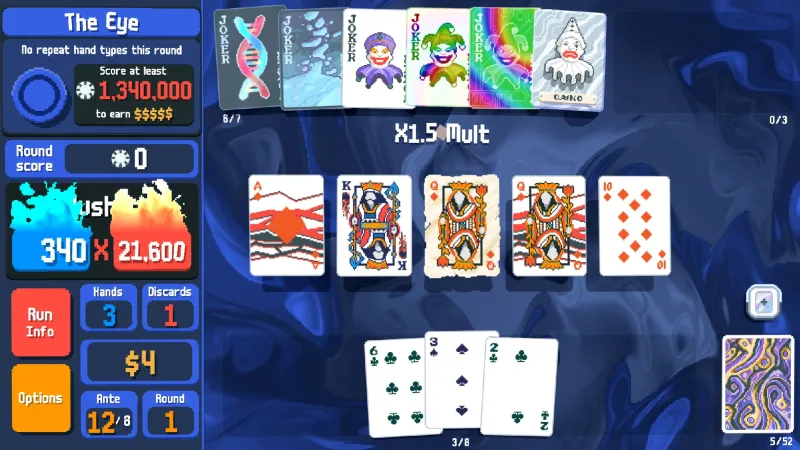
This poker-flavored card game is more than meets the eye. On the surface, especially in an early run, it might appear to be a simple poker simulator, complete with pairs, flushes, and straights, but it doesn’t take long to see just how quickly the gameplay devolves into card combo insanity. With 150 run-altering joker cards, tarot decks, planet cards, and more, what begins as a game to play the best hand becomes a strategic sandbox, enabling all sorts of synergies and loadouts to claw your way to victory. It’s also very approachable, as its turn-based nature and use of the standard 52-card deck allow for a wider audience to play at their own pace and start with a base understanding of the mechanics. Its mobile port is especially great for this reason, though there’s one downside: having Balatro in your pocket makes it tough to put down. | Our Review
Blue Prince
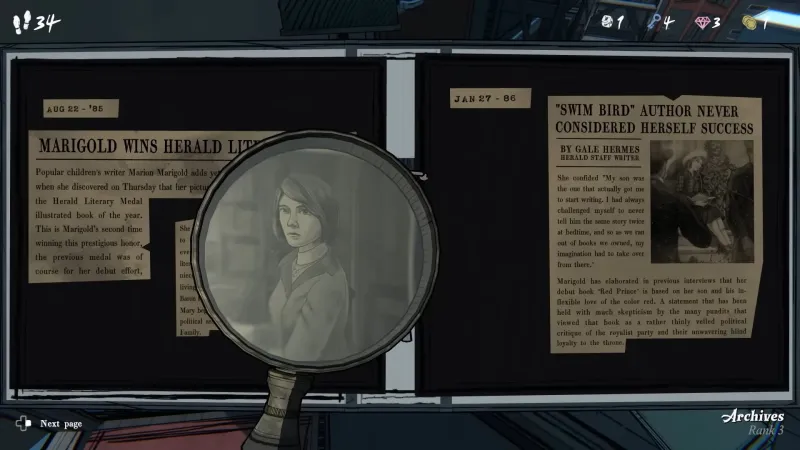
Blue Prince is undeniably a roguelike. You start each day with a fresh start, exploring your late great uncle’s manor of shifting rooms, picking the right floorplan to hopefully encounter the fated Room 46. That said, much of the game’s appeal comes from factors that are unusual for the genre. While the mansion’s layout doesn’t persist, your memory does, and there are many clues you can begin to piece together as you explore and keep your eyes peeled. The truth is that Room 46 is just the tip of the iceberg, as Blue Prince has a much deeper, compelling mystery to unravel. And both elements are exciting and unique in their own ways while still being complementary. Unveiling mysteries makes it easier for you to progress in future runs, and progressing through the mansion unlocks more pieces to the game’s overall puzzle. It’s a marvel of game design, and while I recommend going in blind, it’s packed with so many mysteries and puzzles that you’re bound to discover something new regardless. | Our Review
Hades II
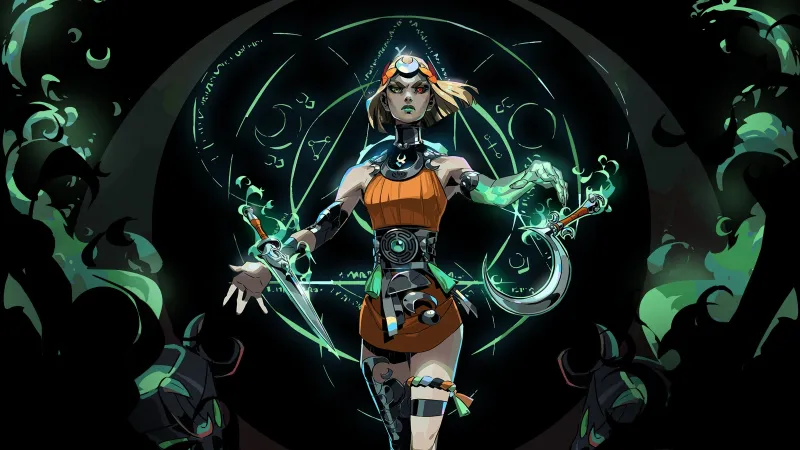
Given that it’s the only roguelike to score a 10 from Game Informer, it’s perhaps a no-brainer that Hades II would appear on this list. It’s an improvement on the original game in just about every way, with new weapons, multiple routes, and an intoxicating number of variables that keep each run feeling distinct, but exciting. With so many avenues to upgrade Melinoë and her allies, Hades II is consistently rewarding, either due to the satisfaction of victory or the thrill of unlocking yet another ability, weapon, arcana card, incantation, or something else. Its story also expands the world of the first game in compelling and interesting ways, and developer Supergiant even amended (and improved) the ending after some fans were dissatisfied with the outcome. It’s not just a fantastic roguelike, but one of our favorite games of all time. | Our Review
Monster Train 2
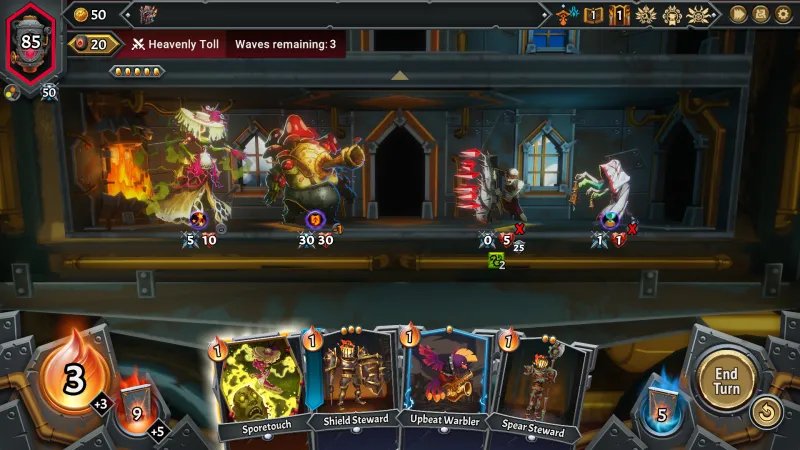
Fundamentally, Monster Train 2 doesn’t change much about the prior game’s formula. As the titular locomotive journeys through a hostile land, you still place friendly units in your train cars to keep enemies from advancing. What it does improve, however, is the sheer number of variables. Monster Train 2 has five completely new factions to unlock, new card types, and new enemies. Once you make it through the base unlocks, there are dozens of ways to start a run alone, and that’s before you even make decisions about upgrades, paths to take, and actions to perform in combat. Combine that with an excellent challenge mode, which adds custom runs with wacky rulesets, and Monster Train 2 is not only a blast, but it feels endlessly replayable. | Our Review
Returnal
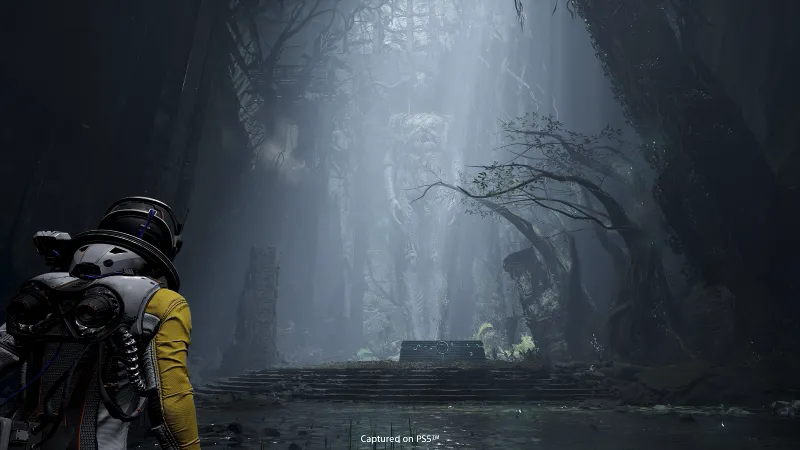
This PlayStation 5 exclusive is an atmospheric nightmare ride though sci-fi horror, and it’s enchanting and enthralling every step of the way. Returnal brilliantly veils much of the permanent progress that you’re making from run to run, ensuring that your tension levels stay taut and realized as you dive into majestic bullet-hell boss fights.
Prevail, and mysteries unravel as your weapons gain incredibly powerful bonuses and perks. If you have the means to play it, Returnal is a roguelike masterstroke that should be experienced. | Our Review

Saros
Housemarque’s follow-up to Returnal had huge shoes to fill, so it does something smart – it fundamentally alters combat by adding a shield, and tells an original story in an unrelated world. The resulting game is novel, but still comfortable to Returnal fans. Rahul Kohli gives a memorable performance as Arjun, the tortured soldier on an alien planet, and it’s generally a stunning game to look at. It’s also one of the few to make full use of the DualSense controller, and serves as a touchpoint for just how powerful the PlayStation 5 is. | Our Review
Slay the Spire
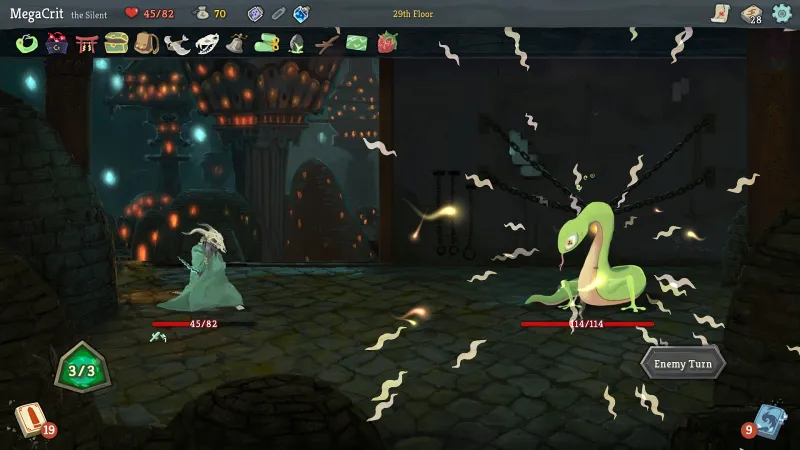
Within the roguelike genre, the deckbuilder has become an incredibly popular subgenre, bringing a deluge of titles to Steam (and other platforms!) with a dizzying frequency. Much of this can be attributed to Slay the Spire, a game that begins utterly simple – but delivers massive depth over time.
As you unlock new characters, new cards, and new possibilities, tinkering with each deck archetype and wild artifact combination becomes an obsession; a one-more-run compulsion that’s a ton of fun and difficult to put down. Do you want to try to cut your entire deck down to a single rotating hand? Do you want to bloat a titanic pile that gets bonuses from a large stack? Poison? Defense? Magical lightning ball blasts? Choices are yours and the journey is a blast. | Our Review
And while it’s still a work in progress, we heavily recommend Slay the Spire 2 as well. We prefer to wait for games to achieve a proper 1.0 launch before including them in our Best Of lists, but Slay the Spire 2 adds so many thoughtful mechanics and twists on the already fantastic formula that we’d be remiss not to endorse it.
Spelunky 2
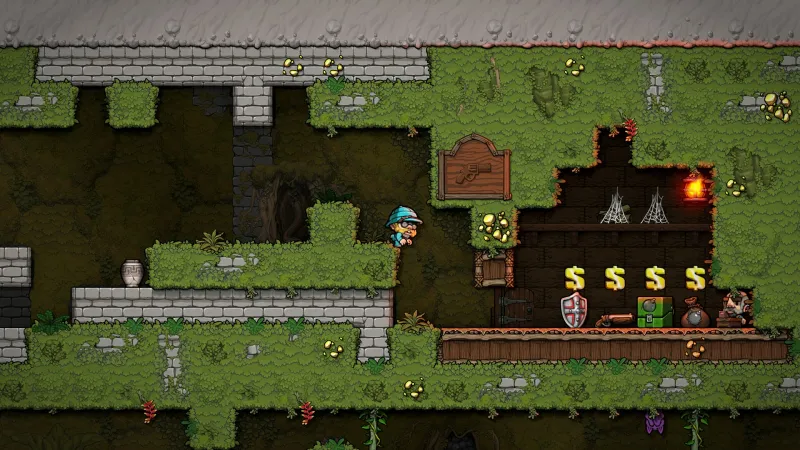
It’s like Indiana Jones, except you die a lot. Distinct biomes and secret treasures keep the adventure alive, death after death, run after run. Even if you get annihilated by some mistimed inputs, you’re back in the saddle within seconds and back on the next attempt.
The loop is engaging and you’re always looking to see what’s going to be discovered next in your dive down to danger and riches. Oh, and this one has mounts. | Our Review

Vampire Survivors
It is equal parts admirable, exciting, and terrifying how effectively developer poncle condensed the roguelike formula in Vampire Survivors. No run can be more than 10 minutes, so the power creep has to fit entirely within that time frame, and the feeling of having your power grow at an exponential rate is exhilarating. Players inhabit one of several gothic fantasy heroes (with some not-so-subtle inspiration from the Castlevania series) and use items like axes, whips, garlic, and magic crosses to automatically attack the surrounding, pixelated enemies.
The loop is short and simple, but there are tons of characters, maps, and upgrades to unlock. Plus, the game is very cheap – $4.99 at the time of writing – with many similarly priced DLC packs if you want to augment your game with even more content, including crossovers with Contra, Castlevania, and even Balatro. The height of a run borders on overstimulating, but that intensity is not only thrilling: it’s the secret sauce that makes Vampire Survivors so good. | Our Review
To keep this list updated and modern, we’ve replaced some classics with some more recent favorites. These are the games cut from the list, though they’ve still got a special place in our hearts:
- Rogue Legacy 2 | Our Review
- Hades | Our Review
- The Binding of Isaac | Our Review
- Dead Cells | Our Review
- Children of Morta | Our Review
- Monster Train | Our Review
- Into the Breach | Our Review
